
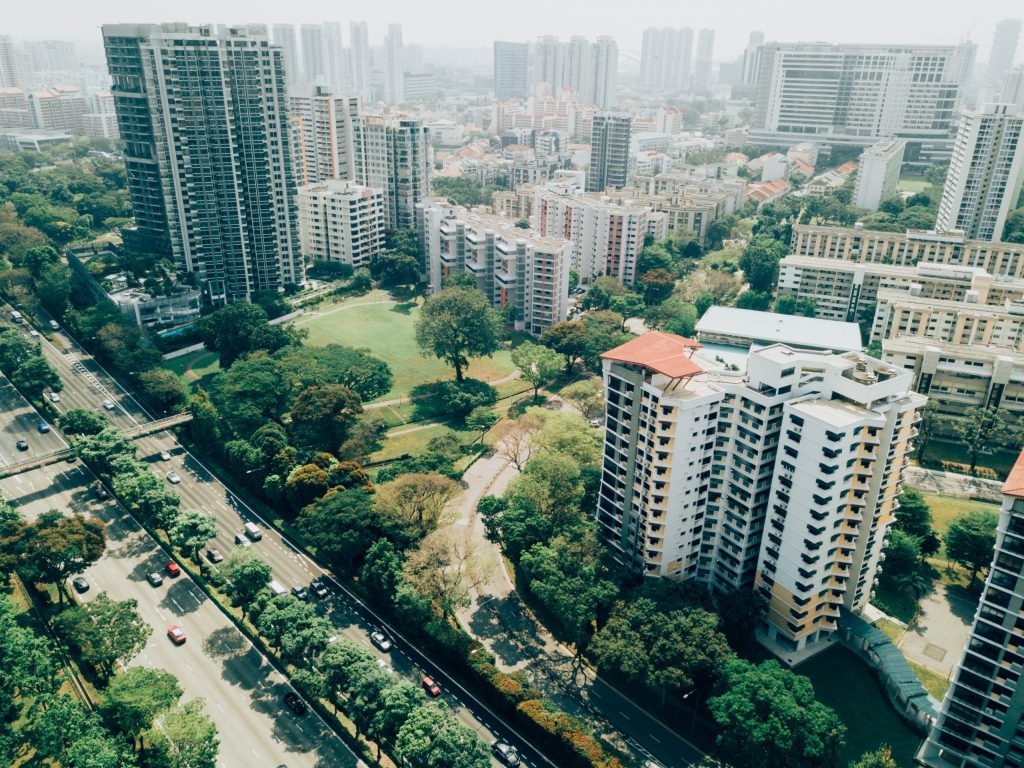
Shaping a secure and sustainable energy future for all
Energy is at the heart of the global climate dialogue ─ The climate challenge is essentially an energy challenge. With that in mind, policy makers around the world are seeking to reduce climate risks, accelerate the adoption of clean energy technologies, ensure an orderly transition toward clean new energy industries, enable inclusion and fairness, and maintain energy security.
Net zero targets have to quickly turn into real-world action ─ To reach our long-term climate goals, action must start now. Governments need to move fast to implement policies that can put global emissions into sustained decline in the coming years. This requires data-driven analysis and recommendations for effective energy policy-making ─ and to ensure greater transparency and accountability.
Smart Cities – The road to Net Zero
Whilst the warnings are stark that the world is on a non-sustainable path, a net-zero carbon target has been set.
However, targets alone do not drive progress.
Businesses, policy makers and many citizens are waking up to the challenge of accelerating the pace of change required to meet that target and ensure our day-to-day life is healthier, more sustainable, safe and efficient.
To make this work, we understood that the definition of net zero needed to be expanded. Solutions come in myriad form, including accessing green energy from out of state. After all, creating a market for non-CO2-producing energy sources outside the boundaries of one’s own city helps the planet at large. In Cambridge these offsets absolutely count toward netting out a building’s carbon footprint. So daisy-chaining energy production in neighborhoods, and yes, designing homes and buildings with an eye to energy savings so it is ultimately easier to net out the energy use with clean production, need to be strategies too.
Approaching sustainability as a set of steps and achievable benchmarks can take away some of the daunting magnitude of the task at hand. In Cambridge, for instance, the city started by putting its money where its mouth is. The city is requiring all government buildings — firehouses, police stations and schools, for example — to be net zero by 2025. Next, we’ll tackle the biggest, most energy-sucking buildings, laboratories, with the goal of getting them to net zero by 2030.
The challenge is big, but it’s not impossible. In Seattle, for example, Amazon’s new downtown headquarters Captures waste heat from a non-Amazon-owned data center on an adjacent block to reduce their own energy consumption. It’s just one company, and an area of only a few blocks, but it’s an important proof-of-concept that points the way forward.
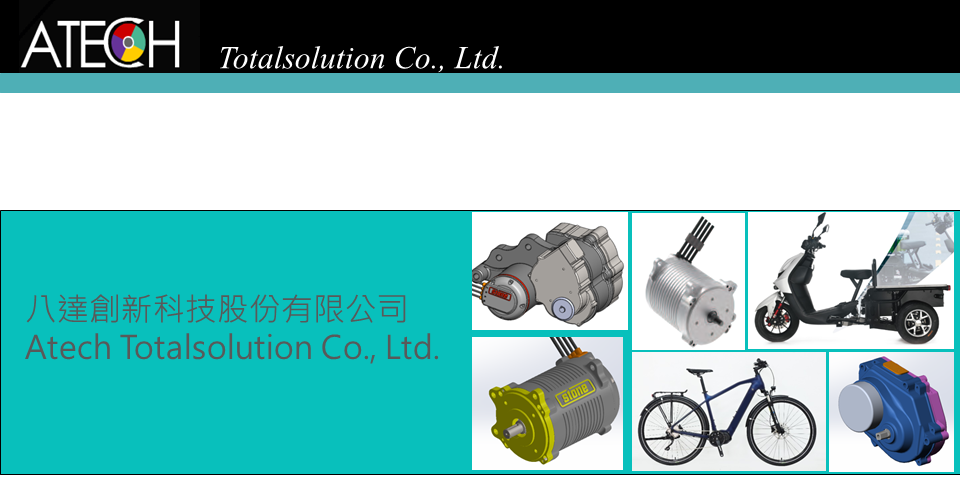
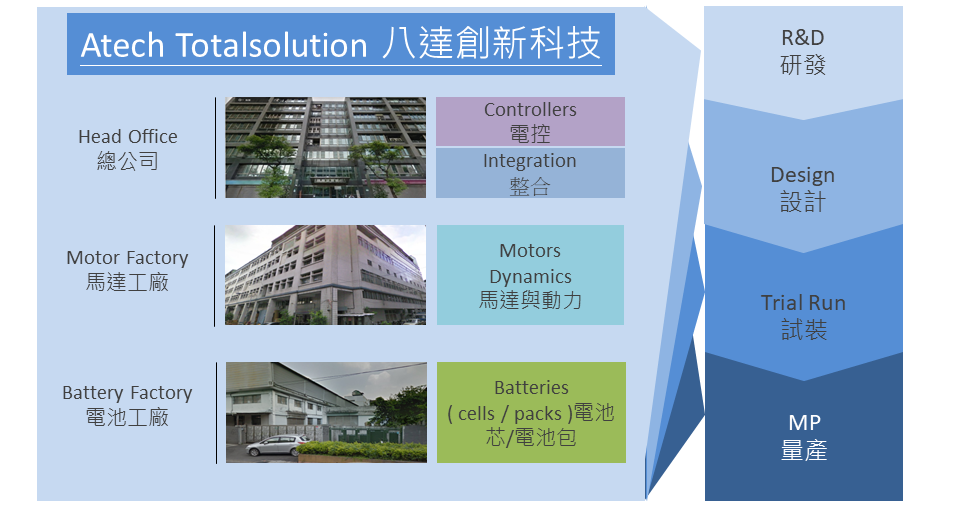

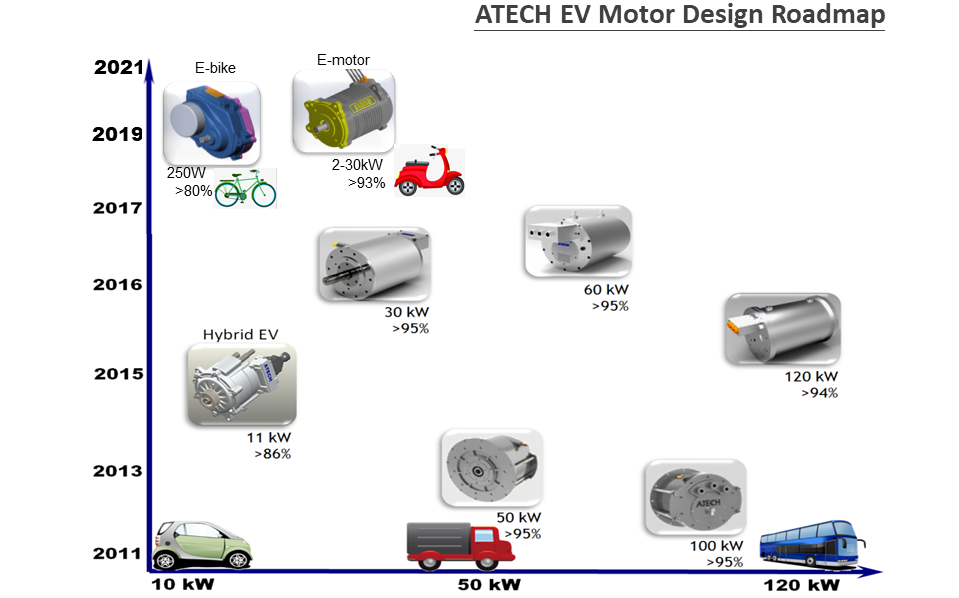

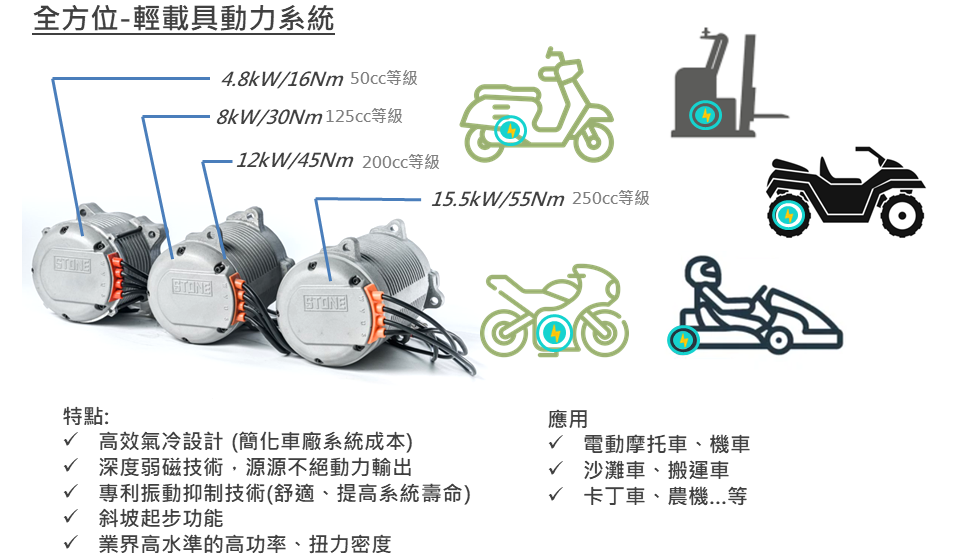
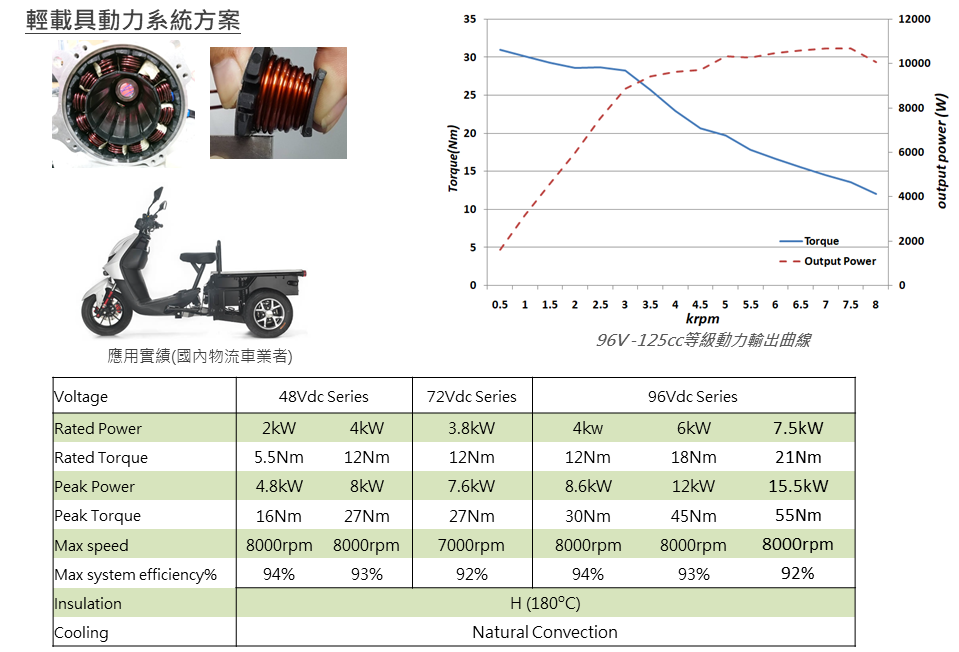


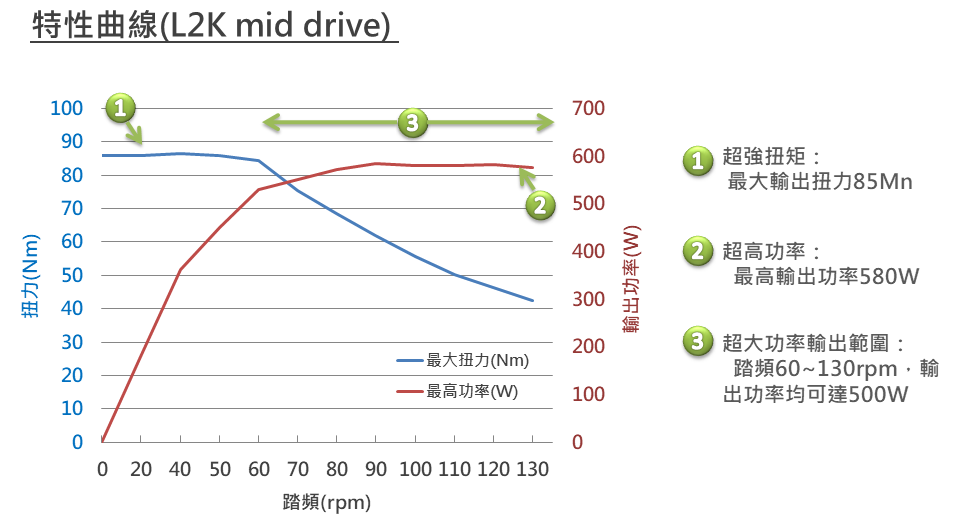
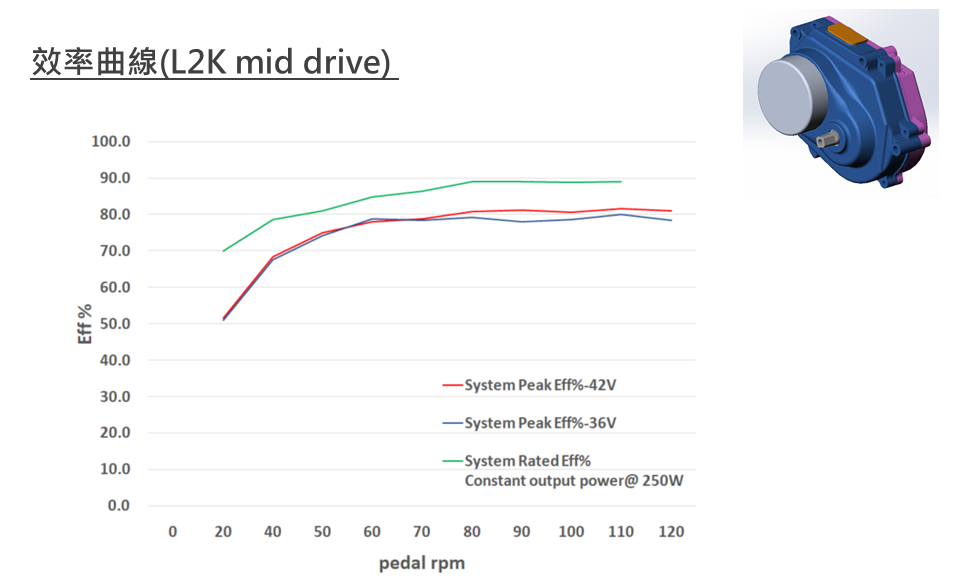
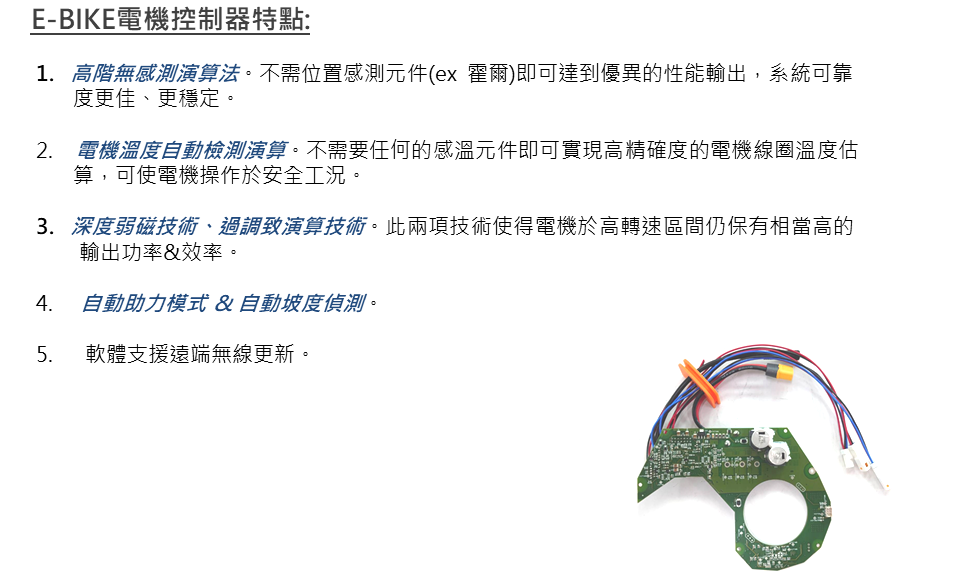
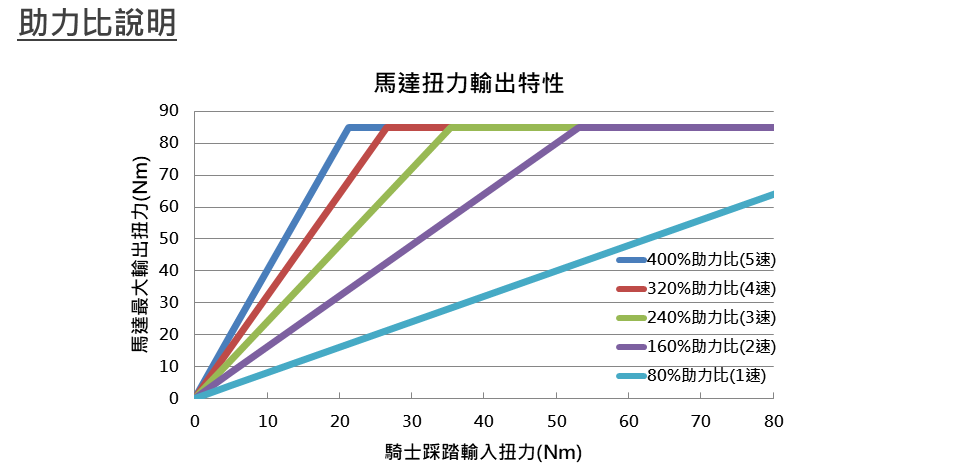
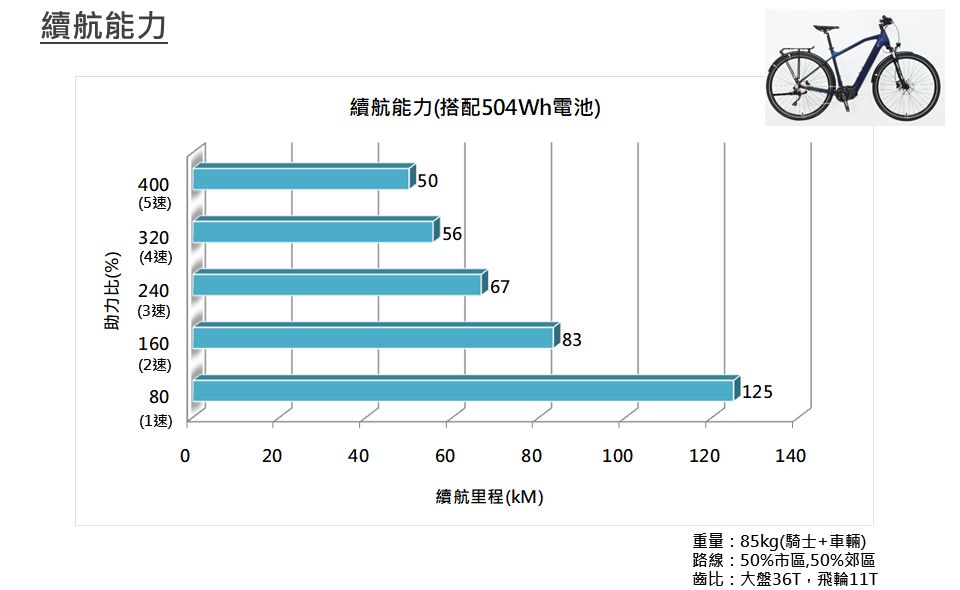
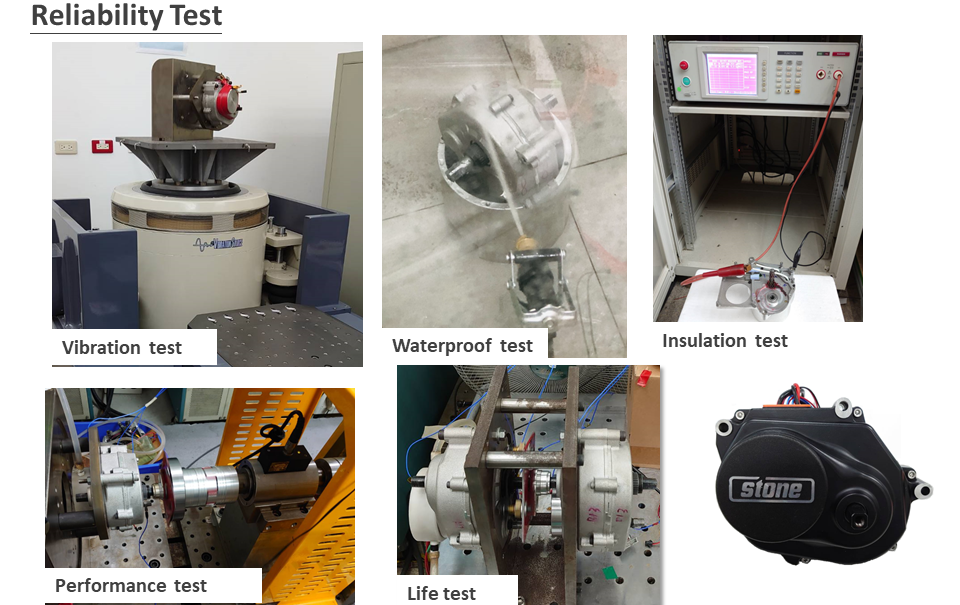

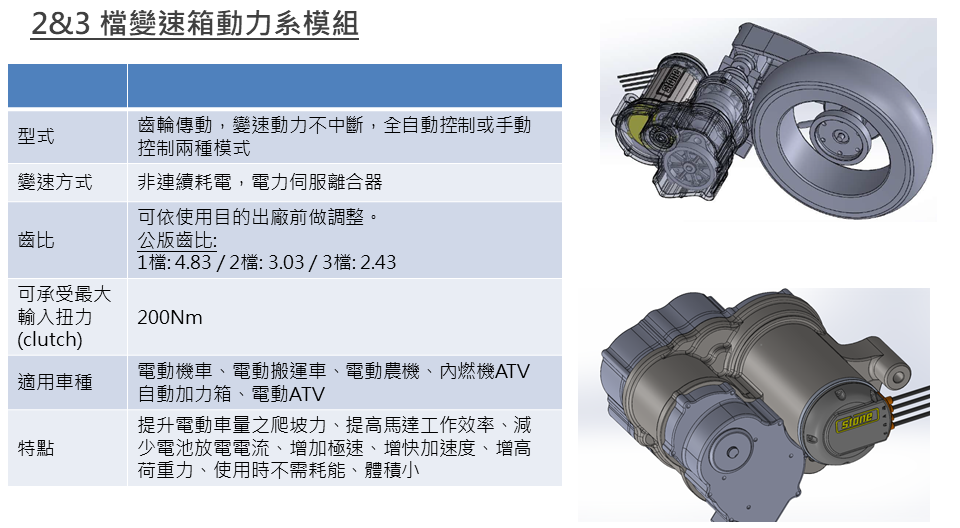
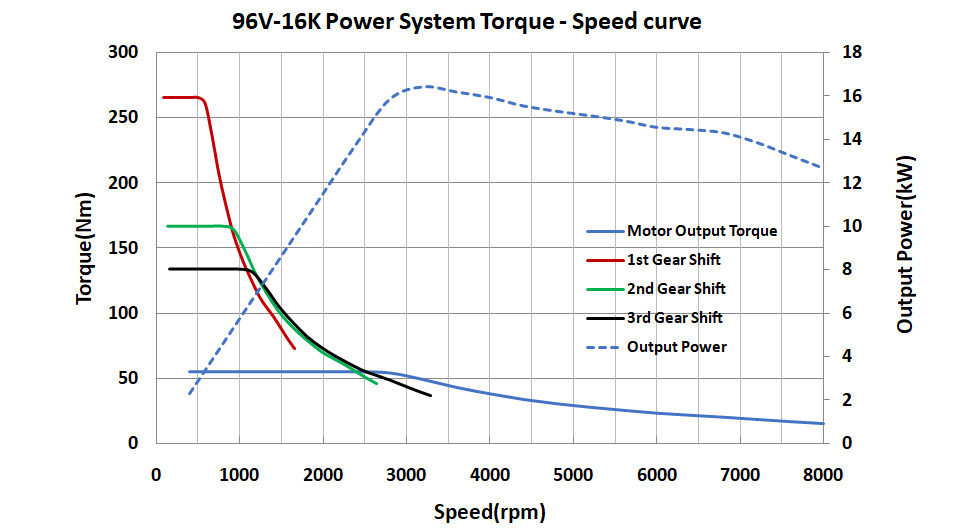



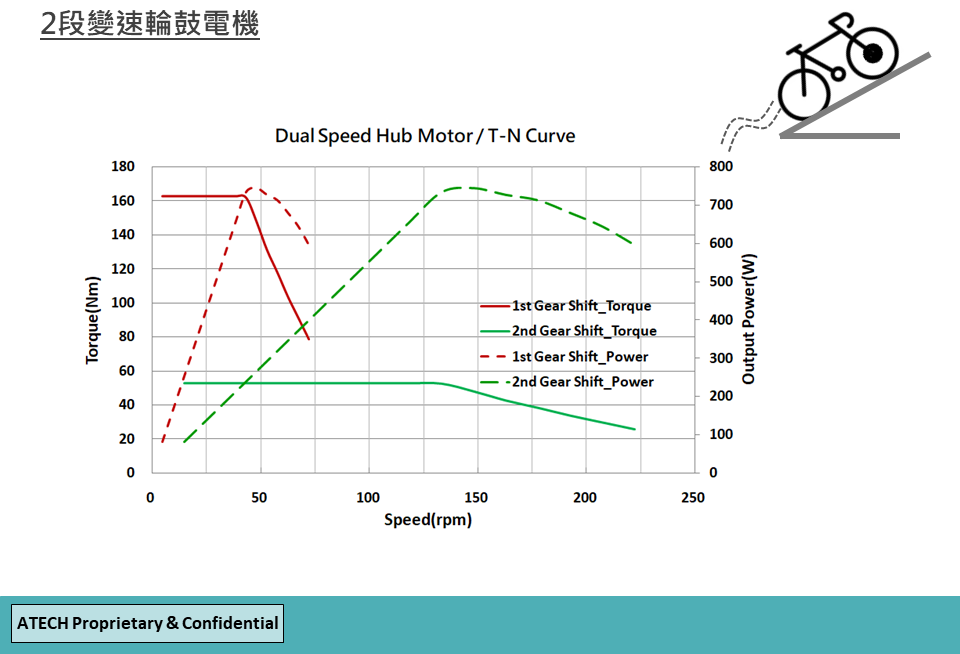 緣於其相關企業磐石電池與八達創新科技公司,開發電動車動力電池以及電控系統有成,並鑑於台灣數十年來相關産業盡從事工業用交流感應馬達,而陌生於電動車需要高效率節能的永磁同步馬達,於西元2000年召集工研院以及產業界菁英創立永固開發工業股份有限公司,專注電動車馬達開發